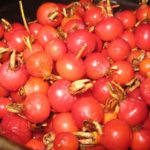
It was supposed to be wild rosehip jelly, but it came out more like candy spread. Dip a knife into it and the goo remains attached by a long, sticky strand, and when you serve yourself some “jelly” and then put it away and take it back out again, it’s all settled back down like … [Read more...]
Archives for September 2010
Two Variations on Marinated Dandelion Salad
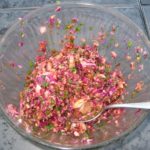
Not to go overboard on the fall dandelions or anything, but last night’s fresh marinated dandelion salads came out so good and were so fast and easy to make that I figured I’d write up a short post about them. The recipes start out the same and then it is simply a matter of … [Read more...]
Fall Foraging in the Colorado High Country
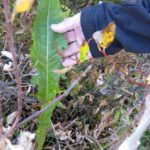
We had a great hike on Pennsylvania Mountain near our house in the Colorado high country yesterday afternoon. My intention was just to go for a short jaunt because we both have non-wild-edible-plants-related work to get done. So we headed up to one of our usual spots—an old … [Read more...]
Expectorating with Sticky Gumweed
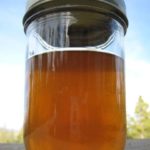
Sticky gumweed is so distinctive; it’s difficult not to notice when it’s blooming, which in the Colorado foothills ranges from late July through early September. Also known as curly-cup gumweed or curly gumweed, both the “sticky” and the “gumweed” descriptors in these common … [Read more...]
Jellies and Jams, My Currant Obsession
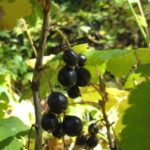
Suddenly, out of nowhere, I absolutely love making jellies and jams! Mind you, this is a complete about-face from how I felt about them yesterday, especially after Gregg read aloud the brochure that came inside the box of MCP pectin and it said we had to “Measure ingredients … [Read more...]