“Plants are tricky. Many are edible, but one false mouthful and you’re dead,” writes Suzanne Collins in The Hunger Games (2008), a book I liked instantly because the protagonists of the impoverished District Twelve are foraging wild food from day one. Katniss and Gale make it … [Read more...]
Archives for May 2012
Eating yucca flowers
On Memorial Day last year we were still snowboarding at A-Basin, the snow drifts in the backyard were up to the life-sized metal deer’s neck, and the yuccas down Denver-way waited until late June to bloom. This year, the snow is gone except for a handful of high elevation chutes … [Read more...]
Asparagus legend made real
My friend Butter has been collecting wild asparagus with her family for many years. “Hunting for, and eating wild asparagus is such a long-standing and special tradition in my home, that I refuse to eat it store-bought, ever,” she writes. To me it’s funny how Butter could be … [Read more...]
Wild Edible Notebook—May Release!
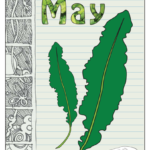
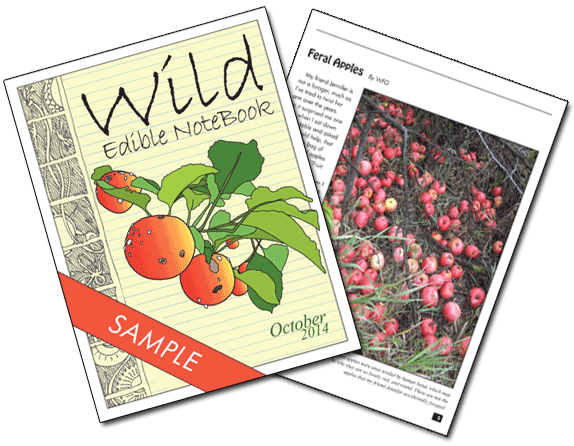
Good news! A new season of the Wild Edible Notebook is here, one full month ahead of the planned start date. This first-ever May issue of the Wild Edible Notebook features curly dock (Rumex crispus), examined both in light of its edibility and its designation as an invasive … [Read more...]
New England Foraging Adventure – Part III
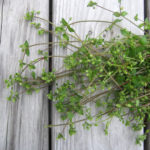
If I don’t get the rest of this New England story out soon I’ll be permanently stopped up in the blog-hole, though perhaps it’s something a large dose of chickweed (Stellaria sp.) could solve. I already wrote about chickweed in Part I of this series, I know, but I just read an … [Read more...]