Two Variations on Marinated Dandelion Salad

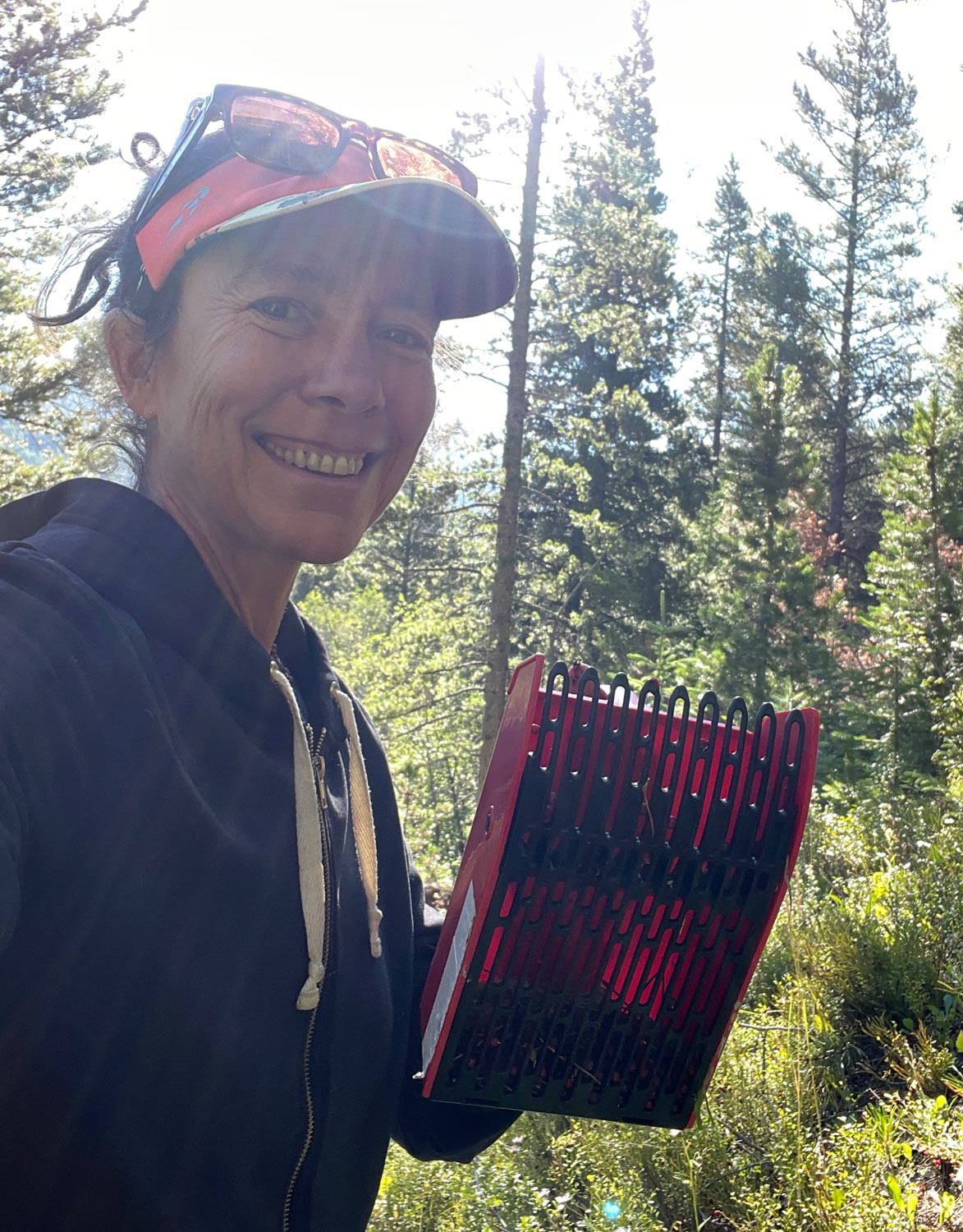
marinated dandelion salad asian 350x301 Two Variations on Marinated Dandelion Salad

Marinated dandelion salad option 1 involves soy sauce.

Not to go overboard on the fall dandelions or anything, but last night’s fresh marinated dandelion salads came out so good and were so fast and easy to make that I figured I’d write up a short post about them. The recipes start out the same and then it is simply a matter of picking one sauce or the other depending on the recipe you’re going for. 

Ingredients: 

  • 1.5 cups dandelion greens or thereabouts
  • 1.5 cups red cabbage or thereabouts
  • 1 medium onion
  • Soy sauce (option 1)
  • French dressing (option 2)

Read the rest of this entry

Fall Foraging in the Colorado High Country

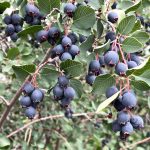
gooseberry currant co 260x350 Fall Foraging in the Colorado High Country

Tart purple gooseberry on a spiny bush.

We had a great hike on Pennsylvania Mountain near our house in the Colorado high country yesterday afternoon. My intention was just to go for a short jaunt because we both have non-wild-edible-plants-related work to get done. So we headed up to one of our usual spots—an old mining road that starts where the county road ends. I brought pint containers just in case we found some late-fruiting currants—which we did, but not until the hike’s dénouement, like some sort of juicy pot of red gold at the end of the rainbow, because it was definitely a rainbow of a hike.

Starting out I was a little on edge because it occurred to me we should have worn orange on account of hunting season, but then we found a few currants hanging off bushes in the valley shade and my mood improved, even though we only found enough to whet our appetites for more.  Read the rest of this entry

Expectorating with Sticky Gumweed

sticky gumweed buds 350x266 Expectorating with Sticky Gumweed

Sticky gumweed buds look like cups full of resin.

Sticky gumweed is so distinctive; it’s difficult not to notice when it’s blooming, which in the Colorado foothills ranges from late July through early September. 

Also known as curly-cup gumweed or curly gumweed, both the “sticky” and the “gumweed” descriptors in these common names for Grindelia squarrosa refer to the gooey resin on the upper parts of the plant. The buds present as cups of the sticky white stuff, while the flowers sit atop “overlapping rows of backward-curling, sticky involucral bracts,” as Plants of the Rocky Mountains (Kershaw, et. al., 1998) describes them. It is in the resin that Grindelia’s medicinal properties reside. 

Collecting Grindelia buds and flowers is a sure way to get covered with the stuff; fortunately, the resin has a delicious sweet smell to it. Wildcrafter Ryan Drum describes even previous years’ desiccating flowering gumweed stalks as having “a faint wonderful odor of vague incense.” He cautions against letting fresh buds and flowers heat up too much during the collection process, and recommends the use of well-ventilated paper bags for doing so. Read the rest of this entry

Jellies and Jams, My Currant Obsession

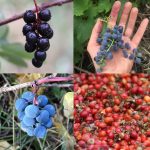
wild black currants 350x262 Jellies and Jams, My Currant Obsession

Wild black currants with distinctive Ribes leaves.

Suddenly, out of nowhere, I absolutely love making jellies and jams!  

Mind you, this is a complete about-face from how I felt about them yesterday, especially after Gregg read aloud the brochure that came inside the box of MCP pectin and it said we had to “Measure ingredients exactly” because “ALTERING RECIPES or INGREDIENTS could cause a set failure” (the caps are MCP’s emphasis) while I was failing to get my first-ever jam to set. I felt like Julie Powell about to throw a fit over a Julia Child recipe gone wrong. What do you mean I have to measure the ingredients exactly? I near wailed as one nervous boyfriend tried his best to disappear into the background.

Read the rest of this entry

Soapberry Pepper Jelly…A First on Several Fronts

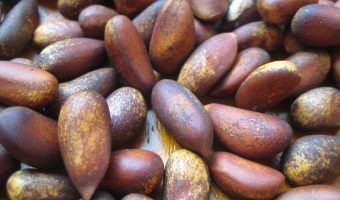
soapberries foaming 350x288 Soapberry Pepper Jelly...A First on Several Fronts

As the name implies, soapberries foam up when cooked.

My mother always told me not to eat wild berries I found growing in the woods, and I have long heeded her advice with the exception of easy ones like blackberries, raspberries, and blueberries. That is, until recently, when I found a guide to wild edible berries at our local Fairplay, Colorado public library entitled Wild Berries of the West, by Betty B. Derig and Margaret C. Fuller (2001). So far, every berry I discover in the wilds here in the Colorado Rockies I can find in that book. It’s wonderful! 

My most recent discovery is Sheperdia canadensis, also known as soapberry, soopolallie, or Canada buffaloberry. According to Plants of the Rocky Mountains (Kershaw et. al., 1998), S. canadensis is a spreading, deciduous shrub with small, bran-like, rust-colored scales on the undersides of leaves and young branches. The juicy, translucent berries are born on the female plants only, range from red to yellow, and feel soapy to the touch. 

The nickname “soapberry” comes from the berries’ saponin content, which is an ingredient in many commercial foaming agents (Derig and Fuller) and the fact that the berries foam up when beaten (Kershaw) or cooked.   

Read the rest of this entry

Wild Huckleberry Masterpiece

huckleberries rocky mountains 350x203 Wild Huckleberry Masterpiece

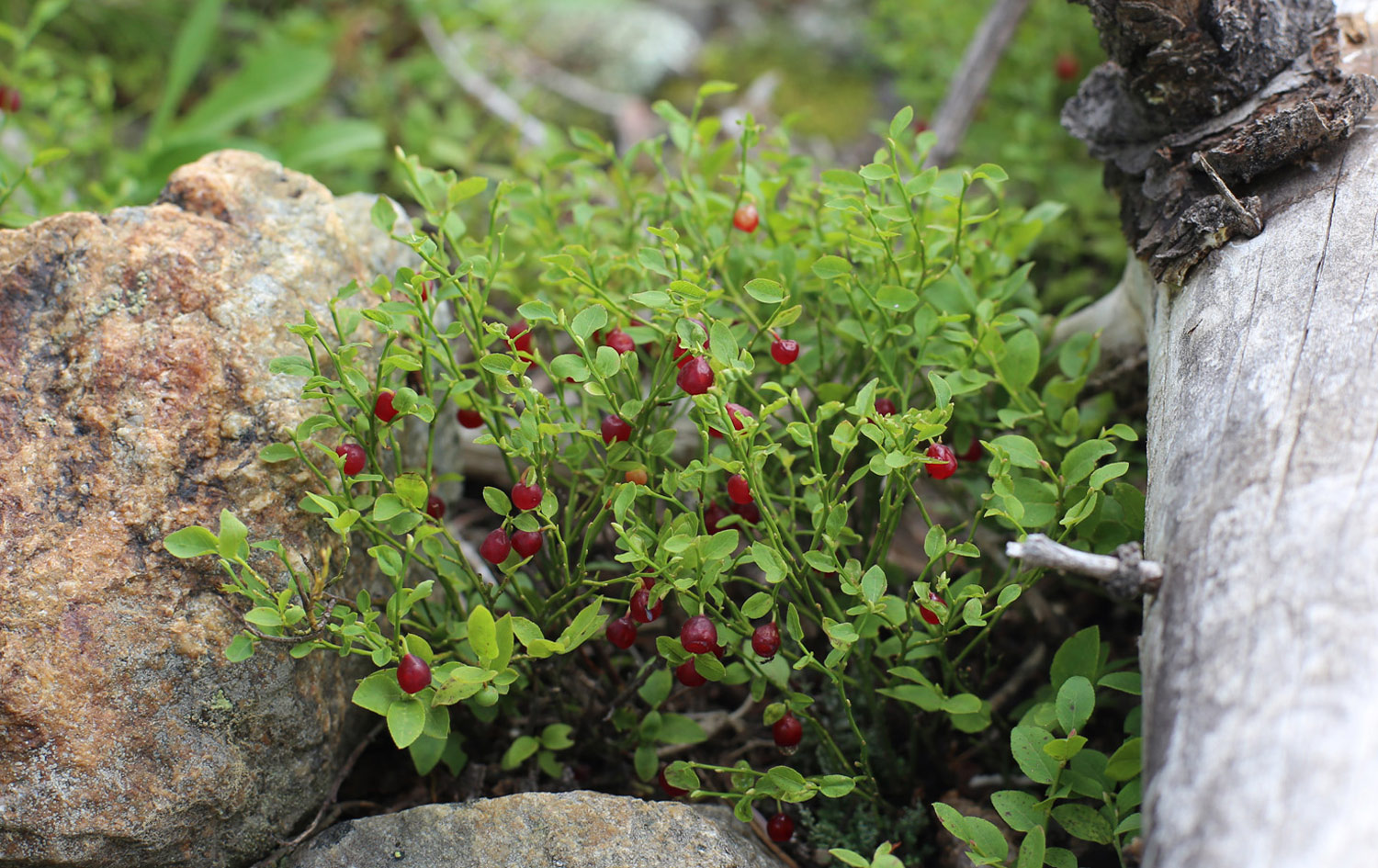
Rocky Mountain huckleberries foraged near Fairplay, Colorado

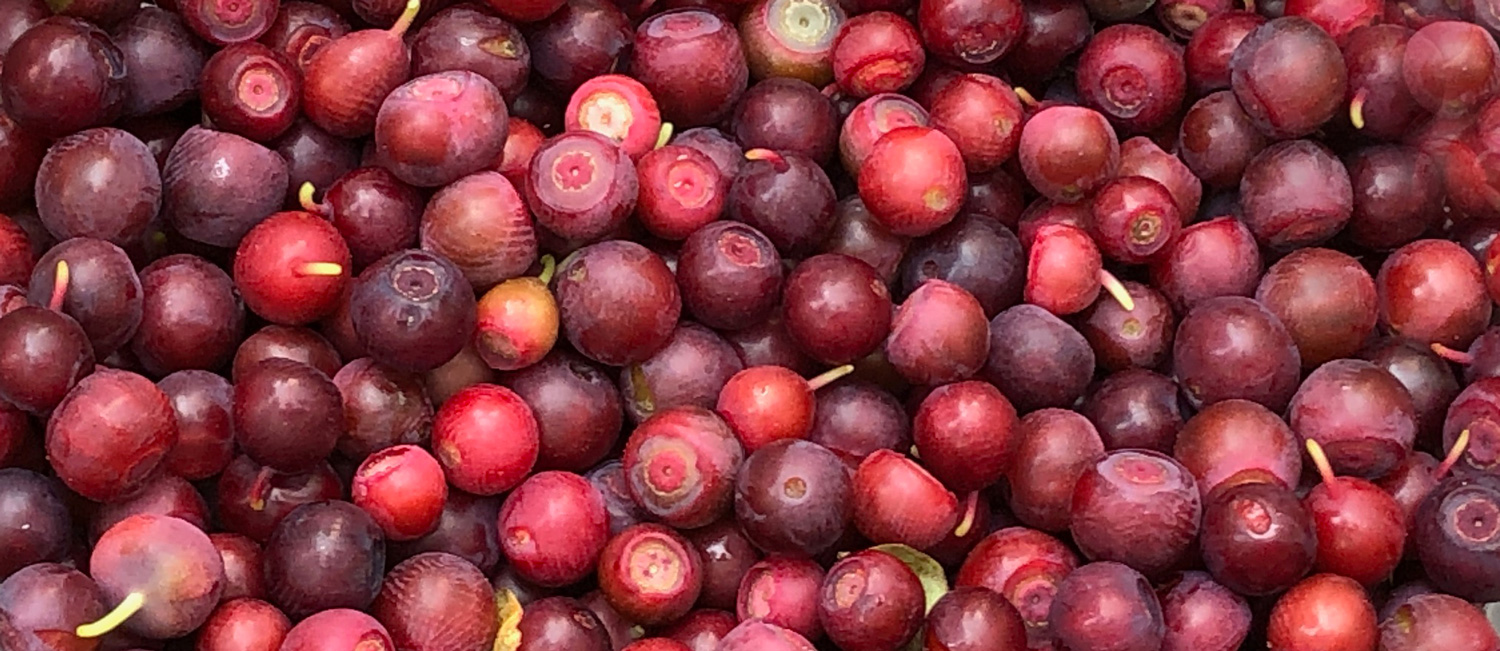
The high country huckleberry season (Vaccinium species) is winding down now, but it was such a success at its peak that I feel obliged to write about it. This is because not only did we find the berries plentiful (and literally in our very own back yard at 11,000 feet in the Colorado Rockies), but also because Gregg used them to make what was quite possibly the best wild edible dish I’ve had yet to date.

Colorado Huckleberries

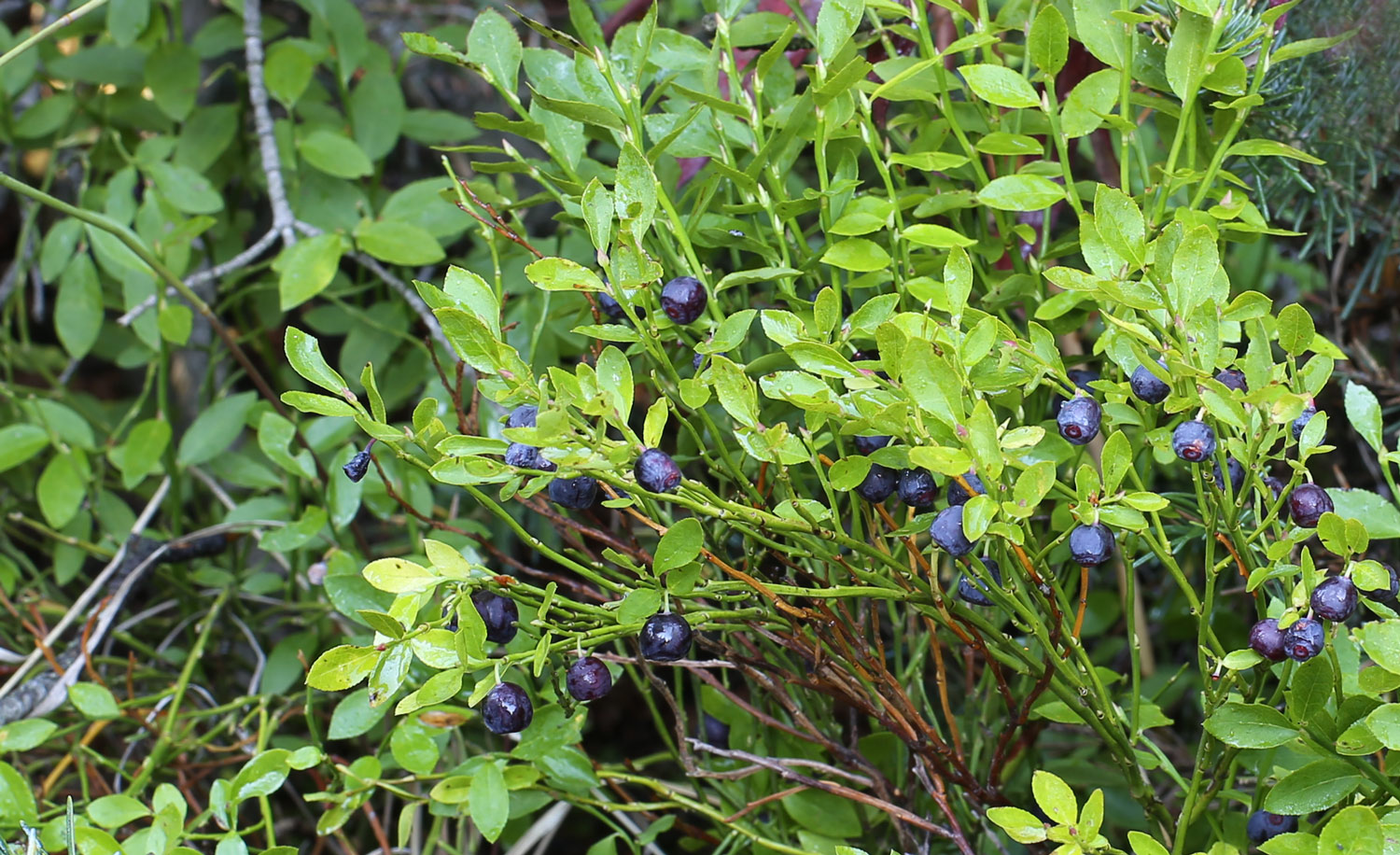
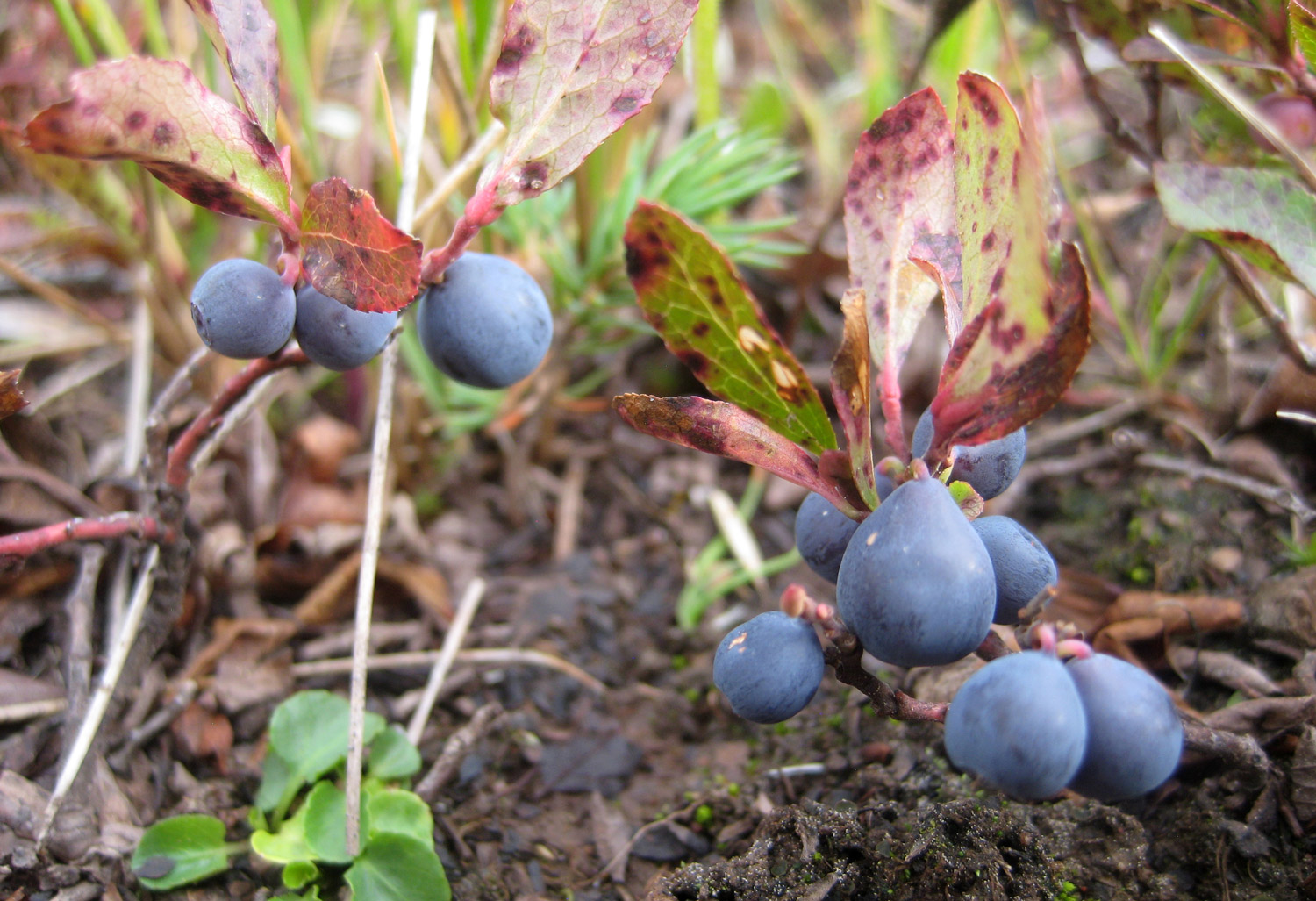
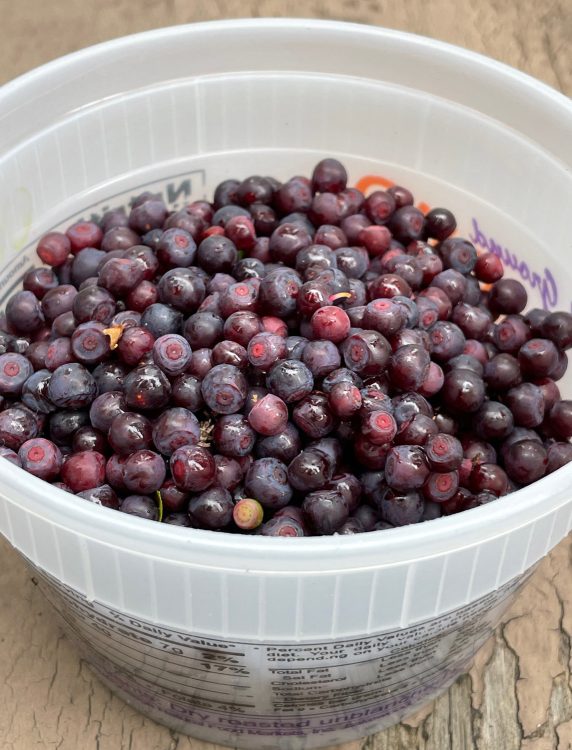
I ate huckleberries last fall in New Hampshire that looked and tasted very much like blueberries, but the local huckleberries near Fairplay, Colorado are very different. When plentiful in mid-August, our back yard berries were translucent and ruby red, dangling like tiny gems from the lush, green, low-lying plants that carpet the forested areas behind our house. I tentatively identified them as grouse whortleberries (V. scoparium), which I read about in Wild Berries of the West by Betty B. Derig and Margaret C. Fuller. Even as of yesterday there were a few ripe patches out there, although the remaining berries seem to be purpler. (Whether that means the reds eventually turn purple or the purples ripen later I couldn’t tell you. Suffice it to say that the fruits range from red to blue-purple in color.)  Read the rest of this entry

Holy Puffballs, Batman!

puffball big 350x284 Holy Puffballs, Batman!

A puffball mushroom the size of my fist. Photo by Gregg Davis.

All this rain is making the mushrooms come out—a connection I never made before since I’m pretty much a beginner with edible fungi. So, when Gregg and I took a long, off trail hike above our house to an isolated beaver pond at 12,000 feet, crossing an above tree-line meadow to get there, I was beyond surprised to find three large puffball mushrooms the size of my fist growing there. 

Puffballs can grow to enormous sizes, so these were not necessarily all that big. According to coloradomushrooms.com, the Western Giant Puffball (Calvatia booniana), which is found in open fields at high elevations, can grow as large as a soccer ball. “Wildman” Steve Brill has a nice picture of a giant puffball at his website if you want to get a sense of their potential. Imagine eating one of those babies!  Read the rest of this entry

Roseroot is Edible, Who Knew?

roseroot flowering 350x262 Roseroot is Edible, Who Knew?

What I believe to be roseroot, or Sedum rosea.

I first noticed roseroot on a high-country hike above Fairplay, Colorado as Gregg and I were scrambling up a rock face, off-trail as usual. The plant is distinctive and attractive—tiny, blood-red flowers atop a fleshy stalk with spirally overlapping (Peterson, 1977) succulent, white-green leaves—and so I photographed it to look up later in Plants of the Rocky Mountains, a flora identification guide we obtained recently from The Printed Page bookshop in Denver.

Plants of the Rocky Mountains by Linda Kershaw, et. al. (1998) is not specific to edible wild plants, but when I found the plant in question in the picture index followed by the entry, lo and behold, I also discovered that our local roseroot is edible. (A quick perusal of the new guide revealed that edibility information is included for many of the plants, to my very pleasant surprise. Come to find out that Linda Kershaw also authored Edible and Medicinal Plants of the Rockies, a guide I have yet to obtain.) What luck!  Read the rest of this entry

Plantain Seeds Can Lower LDL Cholesterol

plantain bruised foot 253x350 Plantain Seeds Can Lower LDL Cholesterol

Treating my wounded foot with crushed plantain.

Or so I read in “Wildman” Steve Brill’s book, Identifying and Harvesting Edible and Medicinal Plants in Wild (and Not So Wild) Places.  

The plantain to which I refer is of the genus Plantago, not to be confused with the banana-like fruit (Alisma species) that is good fried with brown sugar and cream. Plantagos include many different species and are common to lawns, fields, and disturbed areas. They were originally introduced to North America by early European settlers because of their medicinal qualities. Native people called them “the white man’s footprint” (Brill, 1994) because they are roughly footprint-shaped and seemed to spring up wherever the white man stepped.     

Noticing plantain in one my plant guides, my friend Olena from Ukraine exclaimed, “Where is that plant? I miss that plant!” before explaining how back home she would crush a leaf and apply it to a cut to stop the bleeding. 

“Externally, as a vulnerary, it sterilizes, reduces pain, promotes clotting and speeds healing” on account of the antihemorrhagic vitamin K, explain Kathryn G. and Andrew L. March in Common Edible and Medicinal Plants of Colorado. Simply bruise the leaves and apply to the injured area. Internally, they explain that an infusion of the leaves has been used by various cultures throughout history to treat coughs; urinary, gastric, and intestinal ills; and high blood pressure.  Read the rest of this entry

Weird Clover Flower Soup

red clover field 350x277 Weird Clover Flower Soup

A field of red clovers next to the driveway, with small white clovers betwixt.

The come-down from my huge purslane processing of the other day has been harder than I imagined it would be, such that I have been remiss in processing the bag of plantain that Jim gifted me from Denver. I’ve been afraid to look but I fear it is decomposing in the refrigerator. I had some dandelion leaves in the fridge too—the ones that came attached to the roots I dug up for the purslane South Seas salad the other day. However, when I pulled them out yesterday to chop up and add to the salmon salad I was making, they were covered with disconcerting brown dots.

Compound these two unfortunate episodes with my less-than-successful experiences with red clover, and you get a somewhat disillusioned Wild Food Girl.

Here’s what happened with the clovers: We came home from our trip a week ago to find the side of the driveway, which last year was rife with pennycress, carpeted with beautiful red clovers in full bloom. Beneath those, a more subtle crop of small white clovers peeked out from behind the leaves of their larger cousins. Read the rest of this entry

 Page 8 of 9  « First  ... « 5  6  7  8  9 »